Private Commissions

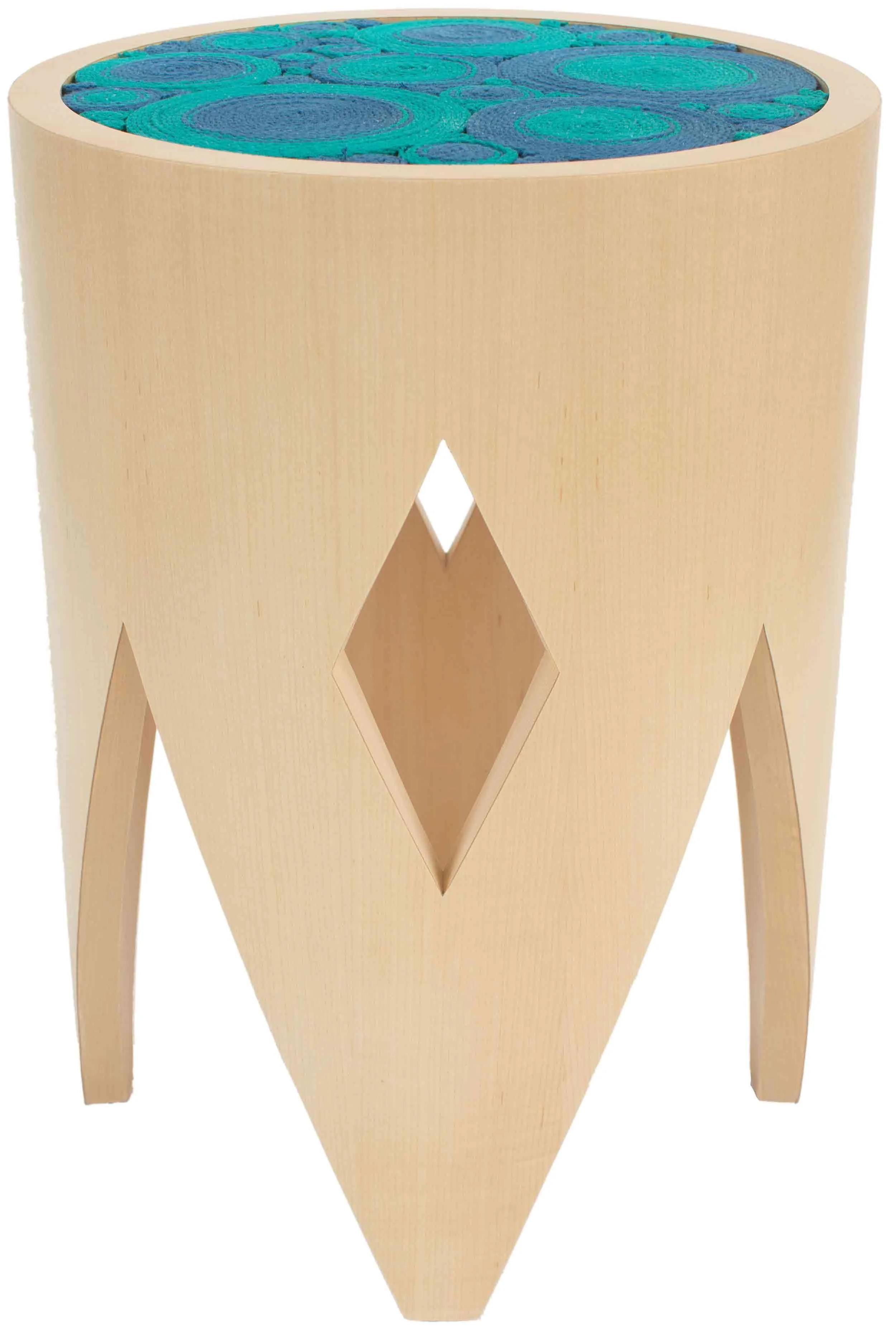
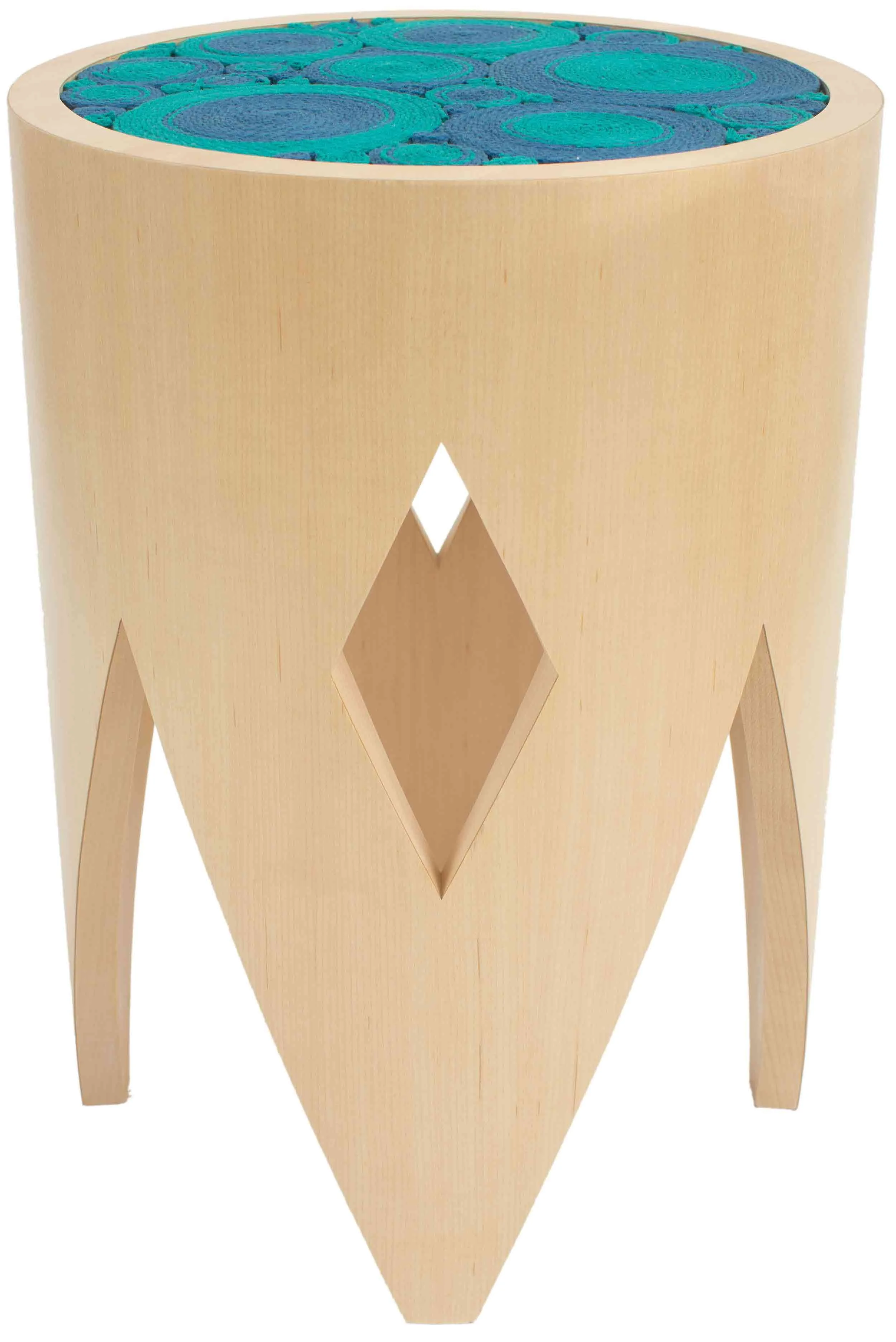
Maple Crown Stools 1 and 2

2020

Commissioned by Beth Rudin DeWoody, Palm Beach, Florida
Medium: Wood, fiber, glue
Dimensions: 12 ½ x 12 ½ x 18 ¼ in. each
Photograph: Courtesy of the artists

Commission Overview
The Maple Crown Stools grew out of our work inside the New York City Department of Corrections. During our first Scrollathon at GMDC, one of the eleven facilities on Rikers Island, we worked with 19 to 21-year-olds. They seemed like kids to us. At their housing unit, chairs were placed in a circle around our work table, but for one participant, chairs were stacked vertically so he could sit higher than everyone else. We learned he “ran the house,” and his elevated chair signaled that rank. Because he wanted to participate, the others had tacit permission to join in.

This improvised throne—an emblem of power expressed through furniture—inspired us to create the Crown Stool series.

Beth Rudin DeWoody first encountered three Crown Stools in our exhibition The Other Side at the Invisible Dog Art Center. Drawn to both their sculptural power and their social origin story, she commissioned a pair of stools for her Palm Beach collection.

Artistic Approach
The resulting works, Maple Crown Stool 1 and Maple Crown Stool 2, are constructed from maple wood and fiber. Both are finished in a palette of natural maple and turquoise, balancing the warmth of the wood with a saturated accent that feels both playful and regal. Designed as functional stools in the shape of an upside down crown, they merge furniture and sculpture, elevating everyday form into a symbolic seat of power.

Engagement and Impact
For Beth, the stools offered a way to live with an artwork rooted in social engagement, one that carried forward the lessons of our work inside correctional facilities. By bringing them into her collection, she not only embraced the formal beauty of the stools but also the deeper narrative of resilience, hierarchy, and shared creativity from which they emerged.

Context and Legacy
The Maple Crown Stools mark a key moment in the evolution of our practice, where direct social experience translated into design and sculpture. They embody our interest in how power, community, and creativity intersect—and how an object as simple as a stool can symbolize dignity, hierarchy, and possibility.